
Being Empathic: what does it mean?
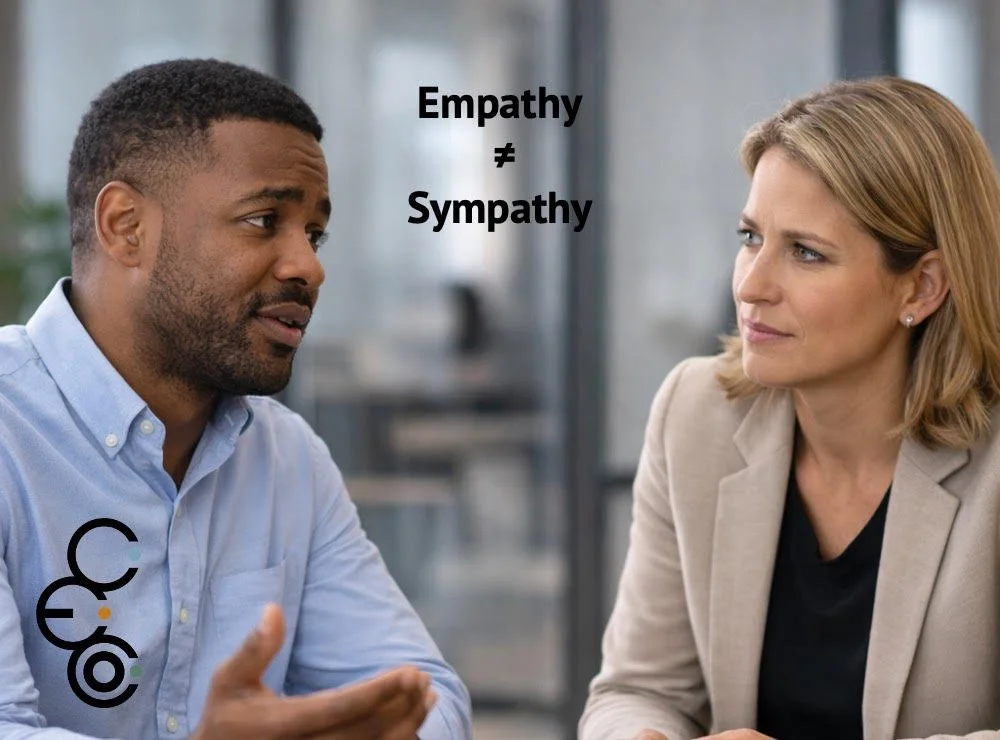
Leaders are told to be more empathetic, but what does that actually look like in practice?
First, what it is not:
It is not saying, “I know exactly how you are feeling.” Most people hear that and think, “No, you don’t.” It is also not sympathy. Sympathy is feeling for someone, often from a bit of a distance. Empathy is feeling with them, sitting beside their experience without trying to fix, minimize, or match it.
In leadership, that difference matters.
When leaders consistently show real empathy, a few things happen:
Trust deepens, both with direct reports and cross functional partners
Psychological safety grows, so people bring up issues earlier instead of hiding them
Ideas get better, because people feel safe to disagree, push back, and explore
Relationships strengthen, which directly supports performance and resilience
Practically, empathy sounds like:
“Tell me more about what is making this hard.”
“What part of this is weighing on you the most?”
“I can’t fully know what this is like for you, but I want to understand it better.”
A few coaching questions to reflect on:
When someone on your team is struggling, do you rush to solve, or slow down to understand?
How do people on your team know that it is safe to bring you bad news or half baked ideas?
Action prompt:
What is one concrete way you will practice empathy with someone on your team this week?
#executivecoach #leadershipcoaching #empathy
